Ginger as a Botanical Ingredient: Tradition and Research

A Versatile Root Across Continents

Ginger, the rhizome of Zingiber officinale, represents one of the most widely used botanical ingredients across diverse traditional medicine systems. From Ayurvedic practices in India to Traditional Chinese Medicine to Caribbean and African wellness traditions, ginger has maintained consistent prominence as a culinary and medicinal ingredient.

The characteristic pungent flavor of ginger comes from gingerols and shogaols—bioactive compounds that also form the basis of modern scientific interest in this botanical. Unlike turmeric, ginger contains a broad spectrum of volatile oils, resins, and phenolic compounds that researchers have only begun to systematically characterize.
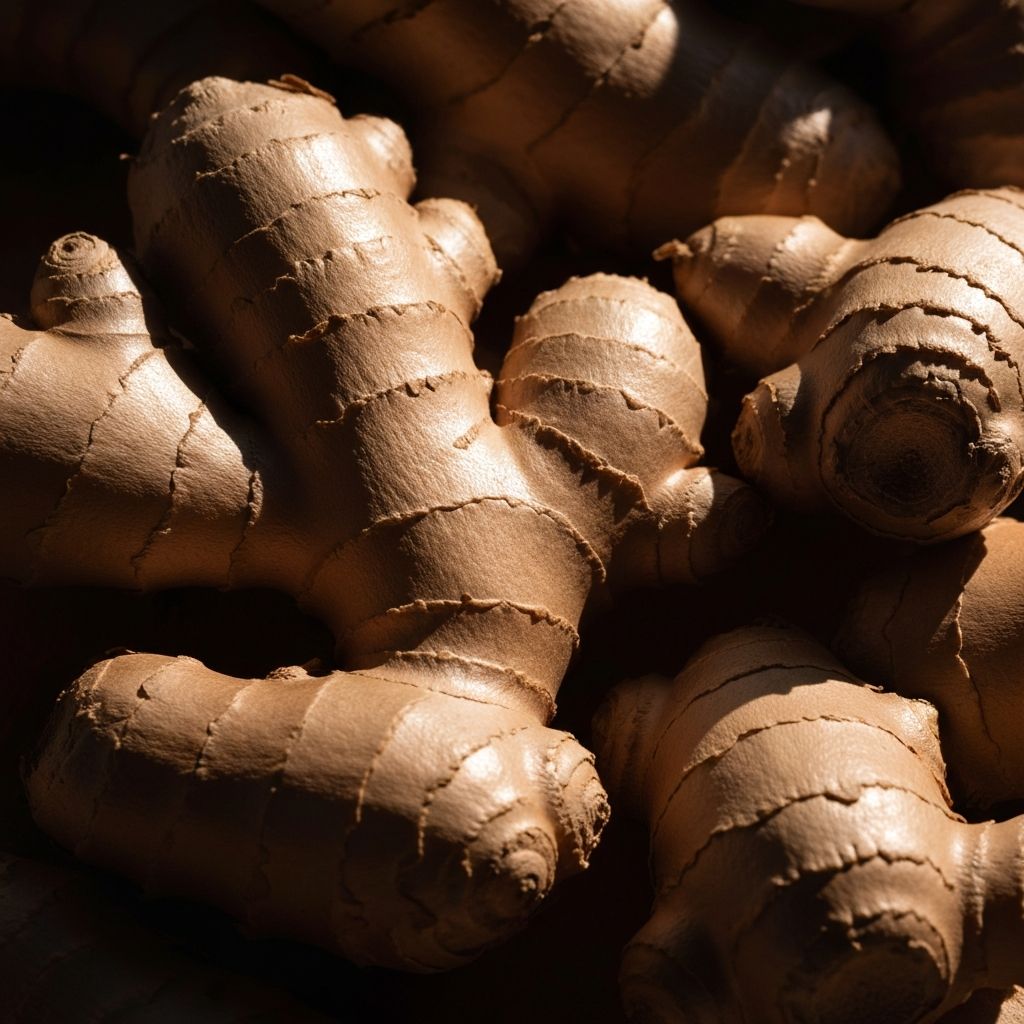
Fresh ginger rhizomes with natural texture

Traditional Applications Across Cultures

Traditional use of ginger varied based on cultural context and available botanical knowledge. In many Asian traditions, ginger was prepared as a tea, incorporated into soups and broths, or combined with other botanicals in complex formulations aimed at supporting digestive comfort, circulation, and general vitality.

The warming nature attributed to ginger in traditional systems aligns with its thermogenic properties observed in modern research—the ability to generate heat and increase metabolic activity in small ways.

Scientific Investigation of Ginger

Contemporary research on ginger has explored multiple dimensions of its potential biological activity:

Active Compounds and Their Properties

Ginger's complex chemistry involves multiple bioactive components:

Gingerols

The primary pungent compounds in fresh ginger, responsible for much of its biological activity and characteristic taste.

Shogaols

Formed when gingerols are heated or dried, these compounds possess distinct biological properties and may be more potent in some contexts.

Volatile Oils

Including zingiberene and other terpenes, these aromatic compounds contribute to ginger's warming properties and aroma.

Paradol

Another pungent compound with potential biological activity, contributing to ginger's overall pharmacological profile.

Forms and Bioavailability

Ginger is available in multiple forms—fresh root, dried powder, standardized extracts, and capsules. Each form has different concentrations of active compounds and bioavailability characteristics. Fresh ginger contains more gingerols, while dried ginger contains higher proportions of shogaols due to thermal conversion during drying.

Research on optimal dosing and forms remains ongoing, with consideration for how preparation methods affect the compound profile and biological activity of the final product.

Research Limitations and Considerations

When reviewing ginger research, important context includes:

Important Disclaimer: This article provides educational information about ginger and contemporary research. It is not medical advice or a recommendation for use. The information does not constitute treatment guidance or personal health recommendations. Always consult with a qualified healthcare professional before making any decisions regarding supplements.
Not a medicinal product. Consult a healthcare professional before use.

Continue Exploring

Back to Blog