
Green Tea and Polyphenols: Understanding the Science

The Beverage of Wellness Traditions

Green tea, derived from the leaves of Camellia sinensis plant that undergo minimal oxidation, has occupied a central place in Asian wellness traditions for millennia. Unlike black or oolong teas from the same plant, green tea's minimal processing preserves a high concentration of catechin polyphenols—powerful bioactive compounds that have attracted intense scientific attention.

The primary catechins in green tea include epigallocatechin gallate (EGCG), epicatechin gallate (ECG), epigallocatechin (EGC), and epicatechin (EC). EGCG alone may constitute up to 50% of the total catechin content, making it the focal point of much contemporary research.
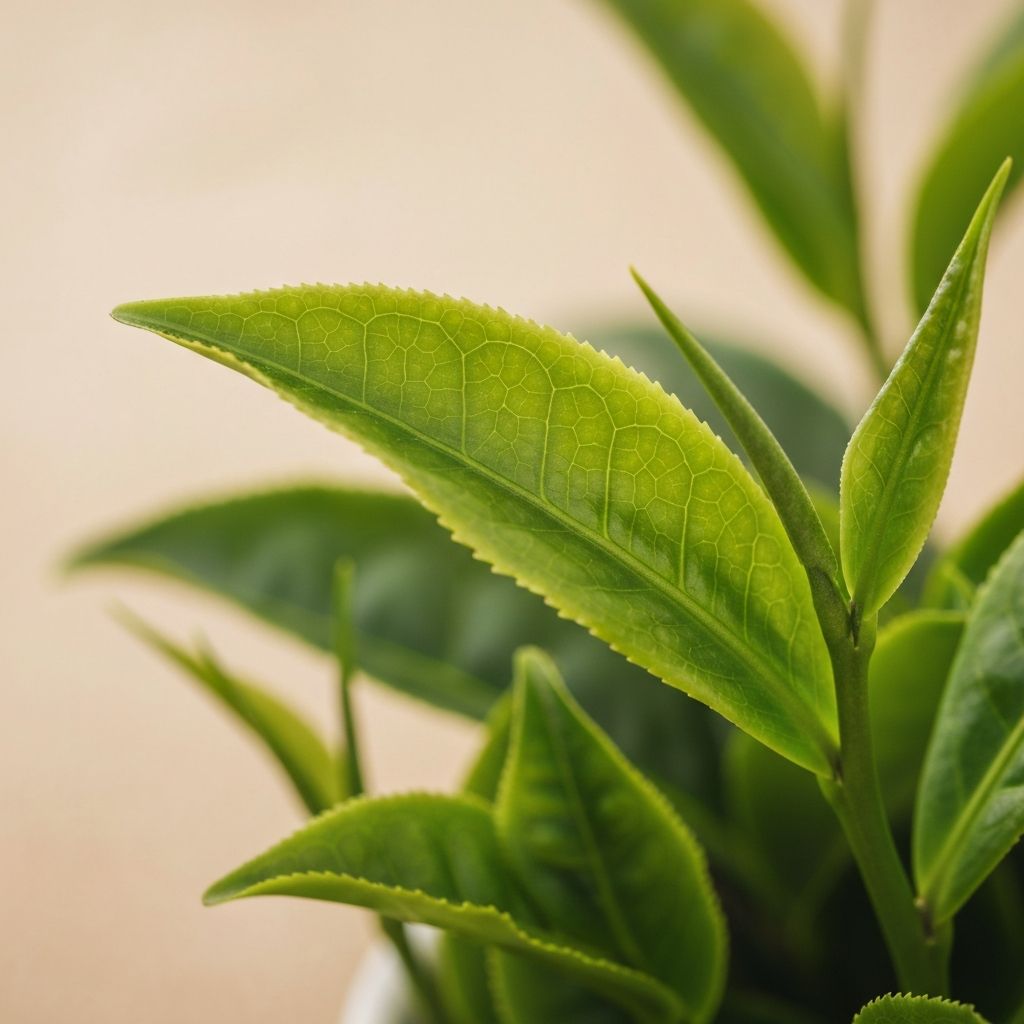
Fresh green tea leaves in natural light

Traditional Roles Across East Asia

In China and Japan, green tea was valued not merely as a beverage but as an integral component of health maintenance practices. Traditional systems understood green tea as supporting vitality, mental clarity, and overall constitutional health. The ritualistic preparation and consumption of tea reflected its significance beyond basic hydration.

Modern understanding of green tea's bioactive compounds provides scientific context for these traditional perspectives, though researchers emphasize that concentrated extract benefits may not fully translate to moderate tea consumption.

Polyphenol Chemistry and Bioactivity

Green tea's catechins represent a unique class of polyphenolic compounds with multiple documented biological activities:

Research on Green Tea Compounds

Scientific investigation of green tea has explored its potential in multiple health contexts:

Metabolic Health

Studies suggest green tea catechins may support healthy metabolism and weight management as part of comprehensive lifestyle approaches.

Cardiovascular Support

Research indicates potential benefits for cholesterol profiles and blood pressure support in the context of healthy lifestyles.

Cognitive Function

Emerging research explores polyphenols' potential roles in supporting brain health, focus, and cognitive longevity.

Cellular Protection

The antioxidant properties of green tea may contribute to cellular protection and tissue maintenance.

Bioavailability and Absorption

An important distinction in green tea research involves bioavailability—the degree to which catechins are actually absorbed and utilized by the body. Tea itself contains relatively modest levels of catechins per serving compared to standardized extracts, and absorption is affected by:

This complexity means that drinking moderate amounts of green tea provides antioxidant benefits that differ from concentrated extract supplementation, both in type and degree.

Distinguishing Tea Consumption from Extract Supplementation

A critical research distinction involves:

Important Disclaimer: This article provides educational information about green tea, polyphenols, and scientific research. It is not medical advice or a supplement recommendation. The information does not constitute personal health guidance or treatment recommendations. Always consult with a qualified healthcare professional before making any decisions regarding supplements or significant changes to your diet.
Not a medicinal product. Consult a healthcare professional before use.

Continue Exploring

Back to Blog